




Plastic Cup Mould
What Is Plastic Cup Mould?
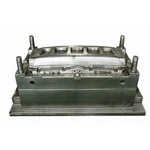
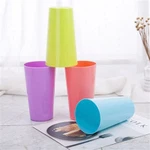
A plastic cup mould is a specialized tool used in the manufacturing process of plastic cups. These moulds are typically made from durable materials such as steel or aluminum and are designed to shape molten plastic into the desired form of a cup through a process known as injection moulding.
Advantages of Plastic Cup Mould
High efficiency and productivity
Compared to other manufacturing methods, plastic cup molds offer superior efficiency and productivity. The use of automated machinery and precision molds allows for fast production cycles, enabling high-volume production of plastic parts. The ability to use multiple cavities in a single mold at the same time further increases productivity.
Design flexibility
One of the main advantages of plastic cup molds is their design flexibility. The process can accommodate complex geometries, intricate details, and a variety of shapes, enabling the manufacture of products with precise dimensions and complex features. This versatility allows designers to bring their innovative concepts to life without compromising functionality or aesthetics.
Wide selection of materials
Plastic cup molds support a wide range of plastic materials, including thermoplastics and thermoset polymers. This versatility allows manufacturers to select the most appropriate material for their specific application based on factors such as strength, durability, chemical resistance, and appearance. The wide range of materials ranges from inexpensive plastics to engineering-grade resins.
Cost-effective production
Plastic cup molds are extremely cost-effective for both small-scale and large-scale production. By effectively utilizing mold cavities and recycling excess plastic, the technology reduces material waste. In addition, automated production systems reduce labor costs, further increasing the overall cost-effectiveness of the manufacturing process.
Consistent and high-quality output
Plastic cup molds ensure consistent and high-quality output throughout the production process. The precision of the mold and the control of various process parameters make it possible to produce parts with tight tolerances and minimal defects. This reliability is essential in industries where product consistency and quality are critical.
Surface treatment options
Different surface treatments can be applied directly to injection molded plastic parts without the need for additional procedures. The mold itself can be designed to include textures, patterns, or logos without the need for secondary operations. Alternatively, post-processing methods such as painting, polishing, or plating can be used to improve the appearance and use of the finished product.
Scalability and fast turnaround
Plastic cup molds are highly scalable and suitable for both low-volume and high-volume manufacturing requirements. Once the mold is made, the production process can be easily replicated, ensuring consistent quality. Due to this scalability and fast production cycle, manufacturing companies are able to meet tight deadlines and respond quickly to market demands.

Mould type: Plastic injection mould
Product Material: PP
Cavity No.: 1cav or multiple
Runner: Hot / cold runner

Mould type: Plastic injection mould
Product Material: PP
Cavity No.: 1cav/multiple
Runner: Hot / cold runner

Mould type: Plastic injection mould
Product Material: PP
Cavity No.: 1cav/multiple
Runner: Hot / cold runner

Mould type: Plastic injection mould
Product Material: PP or ABS
Cavity No.: 1cav or multiple
Runner: Hot / cold runner

Food Container Mould
Mould type: Plastic injection mould
Product Material: PP/ABS/PC/PS/PMMA
Cavity No.: 1cav or multiple
Runner: Hot / cold runner

Mould type: Plastic injection mould
Product Material: PP
Cavity No.: 1cav or multiple
Runner: Hot / cold runner

Mould type: Plastic injection mould
Product Material: PP/PC/PS/PMMA
Cavity No.: 1cav or multiple
Runner: Hot / cold runner

Mould type: Plastic injection mould
Product Material: PP
Cavity No.: 1cav/multiple
Runner: Hot / cold runner

Mould type: Plastic injection mould
Product Material: PP
Cavity No.: 1cav or multiple
Runner: Hot / cold runner
Why Choose Us
One-stop solution
We provide convenient one-stop services to help customers obtain injection molding machines and spare parts, molds and spare parts, plastic raw materials and masterbatch.
Quality assurance
The company has advanced measuring equipments and apparatus such as cmm to let us know the quality situation of every product.
Wide range of cooperative countries
We have a full understanding of the export standards, transportation conditions, and requirements of the cooperative countries.
24h online service
Our customer service representatives are available 24/7 to assist you with any inquiries, technical issues, or after-sales services.
Types of Plastic Cup Mould
Rotational molding
Rotational molding involves a process where liquid or powder sits in a metal mold and spins slowly in an oven where heat and centrifugal force participate to produce an optimal final product. You'll see rotational molding in products like recycling bins, large containers, and car parts.
Injection molding
Injection molding involves injecting plastic into a mold and applying immense amounts of pressure. However, the plastic injects liquid into a metal mold, where it cools. This method is a fantastic option for scaling custom plastic molding projects. Once finalized, all that's left is to inject the molten plastic.
Compression molding
Compression molding involves inserting a heated material, be it in liquid or solid form, in a mold for compression. It's one of a few processes that requires plastic trim molding. This is where, once the mold and material cool, the operator must carefully trim the excess plastic material from the edges of the mold.
Components of Plastic Cup Mould
Mold cavities and surfaces
These are the spaces where the plastic is injected and shaped. The integrity of mold cavities directly affects the quality of the plastic parts. The surfaces of these cavities must be kept clean and free of residues to ensure flawless product output.
Mold core
The core of the mold is the counterpart to the cavity. It often forms the internal surface of the final product. Like the mold cavity, the core must be maintained to ensure precise product dimensions and quality.
Mold material
Injection molds are made from various materials, each with unique properties and maintenance requirements. Common materials include steel and aluminum, which are chosen for their durability and heat resistance. Understanding the properties of these materials is vital for applying the correct maintenance techniques.

Why Is the Cleaning and Maintenance of Plastic Cup Molds so Important
Preventing defects: Regular cleaning helps remove any residue, contaminants or debris that may have accumulated on the mold surface. Contaminants can cause defects in molded parts, such as surface imperfections, discoloration or incomplete cavity filling.
Maintaining precision: Proper maintenance ensures that mold components remain in optimal condition. Any wear or damage to the mold can cause dimensional inaccuracies and affect the overall quality of the finished product.
Preventing downtime: Regular maintenance helps identify and resolve potential issues before they escalate. This proactive approach minimizes the risk of unexpected failures and unplanned downtime, thereby improving the overall efficiency of the production process.
Optimizing cycle time: Well-maintained molds operate more efficiently, achieving consistent and optimized cycle times. This is essential to achieving higher production volumes and meeting demand.
Reducing wear: Injection molding involves high pressure and temperature conditions, which wear mold components over time. Regular cleaning and maintenance help reduce wear and extend the overall life of the mold.
Preventing corrosion: Moisture, corrosive plastics and environmental factors can cause corrosion in mold components. Proper maintenance, including cleaning and anti-corrosion measures, helps prevent mold damage.
Maintain consistency: Clean and well-maintained molds help achieve consistent production results. This is especially important when producing large quantities of identical parts, where consistency in size, appearance, and quality is critical.
Optimize cooling: Proper maintenance ensures that cooling channels are unobstructed, allowing for efficient heat dissipation during the molding process. This helps control temperature variations and helps maintain consistent part quality.
Preventive repairs and replacements: Regular maintenance helps detect problems early, reducing the likelihood of major failures that would require expensive repairs or replacement of mold components.
Optimize production costs: Well-maintained molds are more efficient, helping to reduce production costs per unit over the life of the mold.
Plastic Mold Design to Consider the Structural Elements Are
Parting surface, i.E. The contact surface where the concave mold and convex mold fit each other when the mold is closed.
Its location and form are influenced by the shape and appearance of the product, uniform wall thickness, molding method, post-processing process, mold type and structure, demolding method and molding machine structure, etc.
Structural parts, i.E. Slider, slant top, straight top block of complex molds, etc.
The design of the structural parts is very critical, which is related to the life of the mold, processing cycle, cost, product quality, etc. Therefore, the design of the core structure of complex molds requires high comprehensive ability of the designer, pursuing simpler, more durable and more economical design solutions as much as possible.
Mold accuracy, i.E. Card avoidance, fine positioning, guide pillar, positioning pin, etc.
Positioning system is related to product appearance quality, mold quality and life, according to different mold structure, choose different positioning methods, positioning accuracy control mainly relies on processing, internal mold positioning is mainly the designer to fully consider, design a more reasonable and easy to adjust the positioning method.
Pouring system, that is, from the injection molding machine nozzle to the cavity between the feed channel, including the main flow channel, diversion channel, gate and cold cavity.
In particular, the location of the gate should be selected to facilitate the molten plastic in a good flow state filled cavity, attached to the product of the solid runner and gate cold material is easy to eject from the mold and be removed when the mold is opened (except for hot runner mold).
Plastic shrinkage rate and the factors affecting the dimensional accuracy of the product, such as mold manufacturing and assembly errors, mold wear and tear, etc..
In addition, the design of compression and injection molds, should also consider the molding machine process and structural parameters of the match. Computer-aided design technology has been widely used in the design of plastic molds.
9 Common Plastics Used in Plastic Cup Molds


Polyvinyl chloride (pvc)
This is a highly popular, versatile synthetic plastics polymer. It is one of the most popular types of plastic which has different forms for ultimate flexibility. The softer, more malleable form is used in a wide range of food packaging , packaging of drinks, textiles, advertising vinyl signs and labelling. The material is also used to encase copper wiring due to its excellent insulating properties. In its more rigid form, pvc makes a good material for drinks bottles, children's toys and water pipes.
Polypropylene (pp)
This flexible polymer is used a lot to produce a plastic film for packaging and labelling. Its strong resistance to chemicals, solvents and acids, along with its low-friction surface and hygienic finish, help to protect delicate contents inside. Plus, it can keep edible or sterile medical contents free from contamination. Pp is also used in the textiles industry, including carpet and rug fibres. It is also sometimes used for common household items in its rigid form, such as washing up bowls, microwavable dishes and storage containers.
Polyethylene terephthalate (pet)
Pet is another of the more commonly used injection moulded plastics. It can be used for food and drinks jars, bottles and containers. Pet has an aesthetically pleasing finish and works well for branded goods. Pet is also frequently used in textiles, where it is usually known as polyester and is prized for its durability and resistance to damage. Pet can be recycled easily, adding to its sustainability credentials.
Polymethyl methacrylate (pmma)
This polymer takes on a transparent appearance following injection molding, making it a perfect types of plastic for alternative to the glass where safety is paramount. Pmma is also known as acrylic, perspex or plexiglass and is used a lot in the retail and commercial sectors for screens, advertising and rigid packaging that shows the contents inside. It is also used for glasses, contact lenses and other optical devices. Pmma is tough and reliable, coming in sheet form or injection molded to fit precise customer specifications.
High density polyethylene (hdpe)
Hdpe is a types of plastic made from petroleum. It offers customers a high strength to density ratio and is often used to manufacture water and gas pipes, plastic bottles for drinks, shampoo and conditioner packs and dispensing pumps for cosmetics and beauty creams. Hdpe also has excellent insulation properties, so is commonly used where chilled or frozen goods need to remain at a constant temperature while they are transported where they need to be.
Low density polyethylene (ldpe)
Ldpe is another common thermoplastic made from petroleum. It is flexible with high ductility and low tensile strength. Ldpe is used to make plastic bags, bin liners, food trays, computer components and floor tiles. It is lightweight and easy to keep clean due to its smooth surface finish.
Acrylonitrile butadiene styrene (abs)
Abs is one the common types of plastics which is transparent, durable plastic that is used as a glass alternative. This could be for safety or aesthetic reasons. Abs is popular in the cosmetics and beauty sector for protective packaging that allows customers to see the products inside. It can be manufactured to look clear or it can be made in any colour to match branding. This product is excellent for jars, containers and pots for serums, creams, lotions and waxes, as well as for children's toys, such as plastic building blocks. Abs also works extremely well with 3d printing techniques.
Styrene acrylonitrile (san)
San is an older plastic used in the injection molding process. It has largely been surpassed by acrylonitrile butadiene styrene (abs) now, but it can still be found in industrial applications. San is rigid, transparent and durable, offering excellent protective and hygienic properties. The polymer chains accept colour and print easily, so it can be used for branded packaging, advertising and warning signage. It also insulates very well, so is still used in thermally insulated household goods such as coffee jugs and flasks.
Polystyrene
This is one of types of plastic commonly used as packaging for delicate items while they are in transit. It can also be used for disposable cups and single-use medical devices. Polystyrene is naturally transparent, soft and resistant to damage from sudden impacts, which is why is it such prized protective packaging material. Like other polymers , it can be formed into any shape, size and colour.
How to Choose a Plastic Cup Mould
Your customers
First, understand and evaluate your target audience. Your selection of injection moulded containers must be based on the following customer needs:
● Eco-friendly materials for sustainability.
● Portable designs for on-the-go.
● Aesthetically pleasing and durable options.
Aligning with the preferences of your target customers will help develop a brand identity, boosting brand loyalty and long-term success in the industry.
Your material
The material used to form these injection moulded cups can impact the durability, sustainability and cost of the product. Our injection moulded cups/containers are crafted from polypropylene (pp). These containers manufactured from pp are:
● Lightweight: Ensuring convenience as they are ideal for on-the-go use.
● Recyclable: It underscores our commitment towards sustainability and meeting the demands of eco-conscious consumers.
● Cost effective: Cost-effectiveness blends seamlessly with budget considerations while maintaining exceptional quality.
Your container's size
When you have evaluated the intended use and consumption habits of your target customers and the material you'll be using for your product, it's time to choose its size. Generally, small containers are ideal for quick beverages, and larger ones cater to the ones intended for longer use.
Your product's quality & durability
To maintain the integrity of your product, your focus should be on manufacturing high-quality containers and cups. This also ensures customer satisfaction. At cosmo plastech, we consider the following factors to assess the quality and durability of our products.
● Containers with increased thickness for better insulation in hot beverages and enhanced sturdiness. It also ensures durability and temperature retention.
● Containers with seamless compatibility with lids to prevent leaks. A well-designed rim is important for a spill-free experience.
● Containers/cups having the ability to stack without collapsing or deforming. This is essential for efficient storage and attractive product display.
● Containers/cups that contribute to a longer shelf life and resist cracking.
Your product's design
The containers' design must be functional, user-friendly, and attractive while reinforcing your brand identity. You can help create your brand awareness by incorporating brand colours, your logo, and any other distinctive elements, along with printing important information related to the product directly on the container.
Your production cost
Cost consideration is a very crucial aspect of making a decision. Consider the overall cost of the injection moulded cups, including the cost of the material, the expense to customize, and shipping fees. Ensure your packaging aligns with your budget without affecting the product's quality.
Get relevant compliances
It's important to ensure that your injection moulded big and small cups comply with the mandatory regulations and standards. These can be food safety regulations or any other specific requirements for your industry.
Company Introduction
Originated from Huangyan Taizhou, a famous town for all kinds of plastic moulds making (Here we call Chinese's mould town), Sunjoy plastic and mould center department has built up a strong supply chain for all kinds of different plastic moulds, such as auto parts moulds, household item moulds, electric appliance moulds, industrial moulds, pipe fitting moulds, etc.

FAQ
Hot Tags: plastic cup mould, China plastic cup mould manufacturers, suppliers, factory, Storage Container Mould, Car Lamp Mould, Industrial Mould, Laundry Basket Mould, Flower Pot Injection Mould, Hospital Blood Collecting Box Mould
Previous
Trash Bin MouldYou Might Also Like


Send Inquiry