




Auto Parts Mould
Your Professional Auto Parts Mould Manufacturer
SUNJOY PLASTIC INJECTION MOULD has established a strong supply chain for various plastic molds such as auto parts molds. We specialize in the production of household product molds, electrical appliance molds, industrial molds, pipe fitting molds, etc. We have also established a dedicated second-hand mold collection and integration team.
One-Stop Solution
We provide convenient one-stop services to help customers obtain injection molding machines and spare parts, molds and spare parts, plastic raw materials and masterbatch.
Wide Range of Cooperative Countries
We have a full understanding of the export standards, transportation conditions, and requirements of the cooperative countries.

Quality Assurance
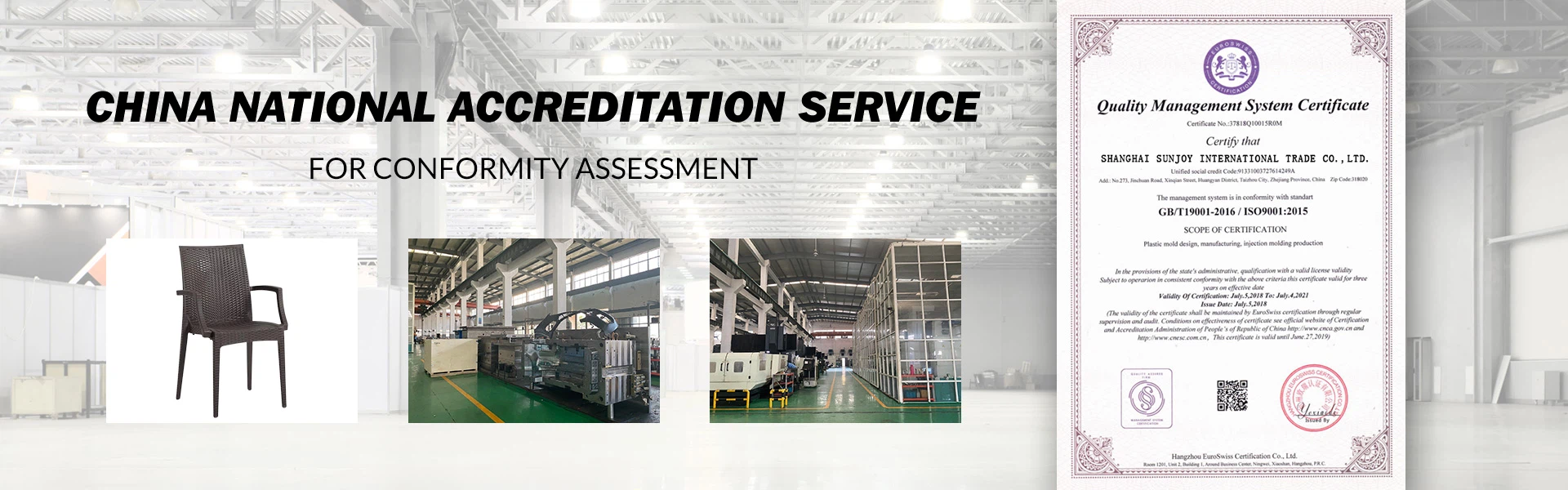
The company has advanced measuring equipments and apparatus such as CMM to let us know the quality situation of every product.
24H Online Service
Our customer service representatives are available 24/7 to assist you with any inquiries, technical issues, or after-sales services.

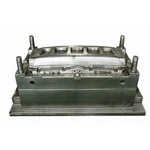
Auto parts mould, also known as automotive parts mould, refers to the tooling used in the manufacturing process of automotive parts. It is a specialized mold used to shape and produce various components of automobiles, such as car body panels, interior parts, engine components, and other plastic or metal parts.


Advantages of Auto Parts Mould
Wide Selection of Materials
Automotive injection moulding offers a wide range of materials for a wide range of applications, from thermoplastic materials such as polypropylene, nylon, and ABS, to elastomeric materials like rubber and silicone, and thermosetting materials such as epoxy and polyester.
01
Rapid Prototyping with Rapid Tooling
Rapid prototyping via rapid tooling offers a significant benefit by enabling automotive manufacturers to prototype using production-intent materials, a capability that other rapid prototyping processes like 3D printing and CNC cannot provide.
02
Replacing Heavy Metal Parts Through Overmoulding
Overmoulding is a process in injection moulding where a substrate or pre-moulded part is combined with additional materials to create a final product. The automotive industry is increasingly turning to over-moulding to replace traditional heavy metal parts with more lightweight and cost-effective alternatives for improved fuel efficiency and overall vehicle performance.
03
Delivering Critical and Repeatable Parts
Plastic injection moulding contributes to the production of critical components such as electrical housings, engine components and various other structural components that are integral to the performance, safety, and overall functionality of automobiles.
04
Meeting Aesthetic Expectations
From sleek interior elements, such as dashboard panels and trim pieces, to exterior features like grilles and body panels, injection moulding enables the creation of parts with smooth finishes, intricate details, and diverse textures, (e.g., glossy, rough, or matte).
05
Automotive injection molding involves melting plastic resin and injecting it into a precision-machined mold at high pressure. Once inside the mold, the plastic is then cooled and solidified to form durable parts with complex shapes and intricate details.

Types of Auto Parts Mould

Exterior Mould
Exterior mould is a revolutionary product that enhances the exterior aesthetics of vehicles. It is made from durable materials, resists scratches and fading, and seamlessly integrates into the existing bodywork. Customers can choose from various colours, finishes, and designs to match their vehicle’s style. The mould adds a touch of uniqueness and personalization while protecting the vehicle’s exterior.
Interior Mould
Interior mould is a cutting-edge product that brings innovation to the automotive industry. Its precision engineering, durability, easy installation, and customizable options make it the go-to choice for enhancing the interior aesthetics of any vehicle. With its ability to transform the mundane into the extraordinary, Auto Interior Mould adds value, style, and comfort to the driving experience.


Light Mould
Auto Light Mould is a high-quality mould specifically created to add style and customization to various light components, such as headlights, taillights, fog lights, and more. With its precision engineering and superior design, Auto Light Mould transforms the look of a vehicle’s lighting, making it stand out on the road while providing improved visibility and safety.
Auto Parts Injection Moulding Materials: Choosing the right material
Acrylonitrile Butadiene Styrene (ABS)
ABS stands for Acrylonitrile butadiene styrene. This is a typical thermoplastic type of injection molding material that’s in pipes, automotive body parts as well as keyboards.
Nylon
Nylon, also known as polymer fabric is one of the most versatile injection moulding materials due to its different nature. It is used for various apparel along with car tires, fishnet, and electrical applications like insulators.
High-Density Polyethylene (HDPE)
High-density polyethylene is an injection molding material that is a resilient, solid plastic thermoplastic mainly in plastic bottles, shampoo bottles, toys, recycling bins as well as flower pots. The main advantage of using HDPE is that it’s affordable whilst also having stiff material with high strength.
Low-Density Polyethylene (LDPE)
In comparison to HDPE, Low-density polyethylene is a much softer and more flexible material. The benefits of using this material are its moisture and chemical resistance. Plus, it has a low cost and is food-grade, so it’s safe to use for food content.
Polycarbonate (PC)
Polycarbonate is a strong hard injection moulding material used in engineering and tends to be transparent. The material PC is in compact discs, safety hamlets, bulletproof glass and other electrical and telecommunication hardware.
Polyoxymethylene (POM)
POM is a plastic injection molding material that is also identified as acetal, this is a hard tough material. Acetal can be used to produce automotive parts. The advantages are it has a high gloss surface and is resistant to organic solvents and chemicals except for phenols.

Auto Injection Mould Maintenance
Choose the right injection molding equipment, and determine the reasonable process conditions, if the injection molding machine is too small, it can not meet the requirements, too much is a waste of energy, and it will damage the mold or template due to improper adjustment of the clamping force, the efficiency will be reduced at the same time.
After the injection mold is mounted on the injection molding machine, the empty mold must be operated first. Observe whether the operation of each part is flexible, whether there is an abnormal phenomenon, the ejection stroke, whether the opening stroke is in place, whether the parting surface is tightly matched when the mold is closed, and whether the pressure plate screw is tightened.
When the mold is used, it should maintain a normal temperature and work at a normal temperature to prolong the service life of the mold.
Sliding parts on the injection mold, such as guide post, return pin, push rod, core, etc., should be observed at any time, regularly check, timely scrub and add grease, especially when the temperature is high in summer, add at least two times per shift. To ensure that these sliders are flexible and prevent tight seizures.
Before each mold clamping, it should be noted that whether the cavity is cleaned or not, no residual products or any other foreign objects are allowed. It is strictly forbidden to use hard tools during cleaning to prevent the surface of the cavity from being damaged.
The surface of the cavity has special requirements, the surface roughness Ra is less than or equal to 0.2cm, absolutely can not be wiped by hand or cotton, blown with compressed air, or gently wiped with high-grade napkin.
The surface of the cavity should be cleaned regularly. The injection mold will decompose the low molecular compound to corrode the mold cavity during the molding process so that the surface of the bright cavity gradually becomes dull and reduces the quality of the product. Therefore, it needs to be scrubbed regularly and scrubbed. Use an alcohol or ketone preparation to dry promptly after scrubbing.
When the operation needs to be temporarily stopped, the mold should be closed to prevent the cavity and core from being exposed to prevent accidental damage. The downtime is expected to exceed 24 hours. Spray the anti-rust oil or the surface on the cavity and core surface. Molding agents, especially in wet areas and rainy seasons, should be rust-proofed for a short time.
FAQ
Q: What is an automotive mold?
Q: What are mould parts?
Q: What automotive parts are made in injection molding?
Q: Is injection moulding used for cars?
Q: What are the applications of injection molded products in the automobile sector?
Q: Why is injection moulding used to manufacture parts?
Q: What is the most common material used in injection molding?
Q: Why plastics are used in automotive industry?
Q: Can auto moulds be used for mass production?
Q: Are there any safety precautions to consider when working with auto moulds?
Q: What are the advantages of using auto parts moulds in manufacturing?
Q: What are Some Benefits of Automotive injection molds?
·Automotive parts can be made quickly with minimal costs when using this process since it is highly productive and efficient.
·It is also a versatile process that allows you to create parts with complex geometries and internal passages, which can't be done using other manufacturing techniques such as diecasting or stamping.
·Large quantities can be made in a short amount of time due to high production speeds. This leads to reduced costs and less time spent on the project.
·This process can allow you to make items that are lighter in weight since it doesn't require the use of heavy metal components.
·This process can be used for items such as bumpers, sunroofs, and door panels
·Automotive injection molding is a first-rate process that ensures your product will be durable and last for years to come.
Q: Can auto parts moulds be repaired if damaged?
Q: Is injection molding a good choice for automotive prototypes?
Q: Are car bumpers injection molded?
Q: What material is a Moulded car bumper made of?
Q: How does the quality of an auto mould affect the final product?
Q: Can plastic be injection molded?
Q: Is plastic injection molding difficult?
Q: Can you injection mold clear plastic?