

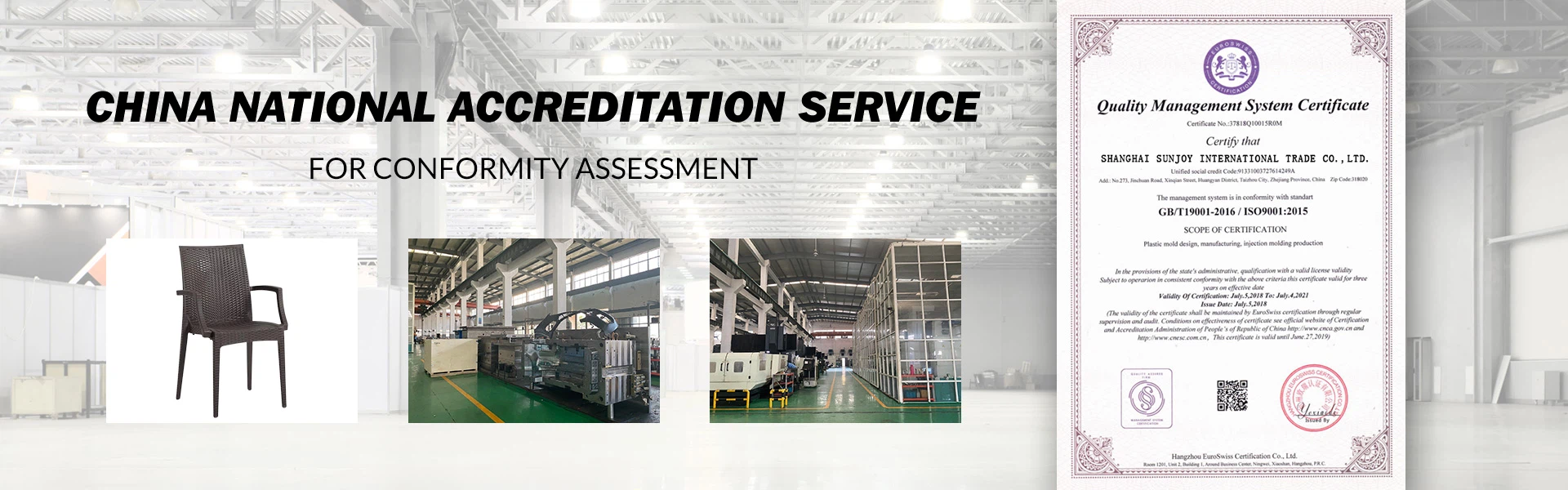


Plastic Injection Mould
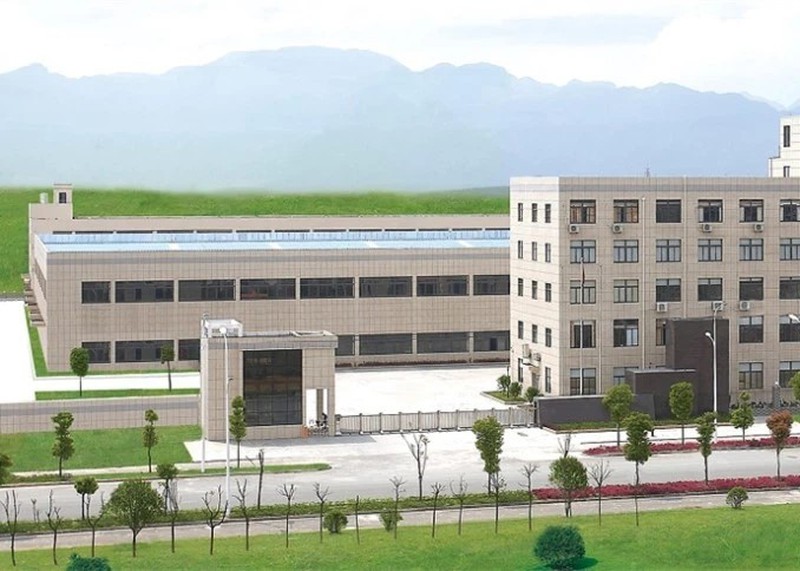
Your Premier Plastic Injection Mould Manufacturer
SUNJOY PLASTIC INJECTION MOULD has established a strong supply chain for various plastic molds such as auto parts molds. We specialize in the production of household product molds, electrical appliance molds, industrial molds, pipe fitting molds, etc. We have also established a dedicated second-hand mold collection and integration team.
One-Stop Solution
We provide convenient one-stop services to help customers obtain injection molding machines and spare parts, molds and spare parts, plastic raw materials and masterbatch.
Quality Assurance
The company has advanced measuring equipments and apparatus such as CMM to let us know the quality situation of every product.
Wide Range of Cooperative Countries
We have a full understanding of the export standards, transportation conditions, and requirements of the cooperative countries.
24H Online Service
Our customer service representatives are available 24/7 to assist you with any inquiries, technical issues, or after-sales services.
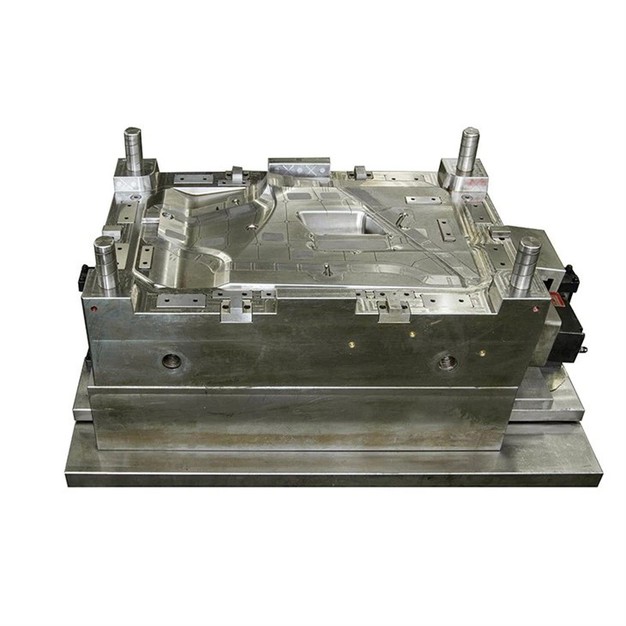
Plastic injection molding is a manufacturing process that involves injecting molten plastic material into a mold cavity. The plastic material is heated and melted, then injected into the mold under high pressure. Once inside the mold, the plastic material cools and solidifies, taking the shape of the mold cavity. This process allows for the mass production of plastic parts with high precision and complexity.


Advantages of Plastic Injection Mould
Precisionplastic Injection Moulding Part
Plastic injection moulding is perfect for very intricate parts. Compared to other techniques, moulding allows you to incorporate more features at very small tolerances. You can hold this moulding in the palm of your hand and it has bosses, ribs, metal inserts, side cores and holes made with a sliding shut off feature in the tool.
High Repeatability
Once your mould tool is made, identical products can be made over and over again. And again. A decently made mould tool has a very long mould tool life, as long as it's treated well by the moulding machine setters!
Low Cost Per Part
Whilst there is an initial high investment for the plastic injection moulding tool, after that the cost per part is very low. Other plastic processing techniques may require multiple operations, like polishing, whilst injection moulding can do it all at once.
Fast
Cycle times can be as low as 10 seconds. Combine that with a multi-impression injection moulding tool and you get a LOT of products very quickly.
Material Choice
There's a vast amount of materials available for plastic injection moulding. A range of more common materials, but also things like antistatic plastic, thermoplastic rubber, chemical resistant plastics...and with colour compounding or masterbatch colouring you have an endless choice of colours as well.
Special Surface Finishes, Engraving & Printing
In addition to a range of colours, the injection moulding tool can be made with a special finish which will show on the moulding. Just about any finish you like, for example leather look, soft touch, sparked, high shine, you name it.
Plastic injection moulding uses a special-purpose machine that has three parts: the injection unit, the mould and the clamp. Parts to be injection-moulded must be very carefully designed to facilitate the moulding process; the material used for the part, shape and features, the material of the mould, and the properties of the moulding machine must all be taken into account. The versatility of injection moulding is facilitated by this breadth of design considerations and possibilities.
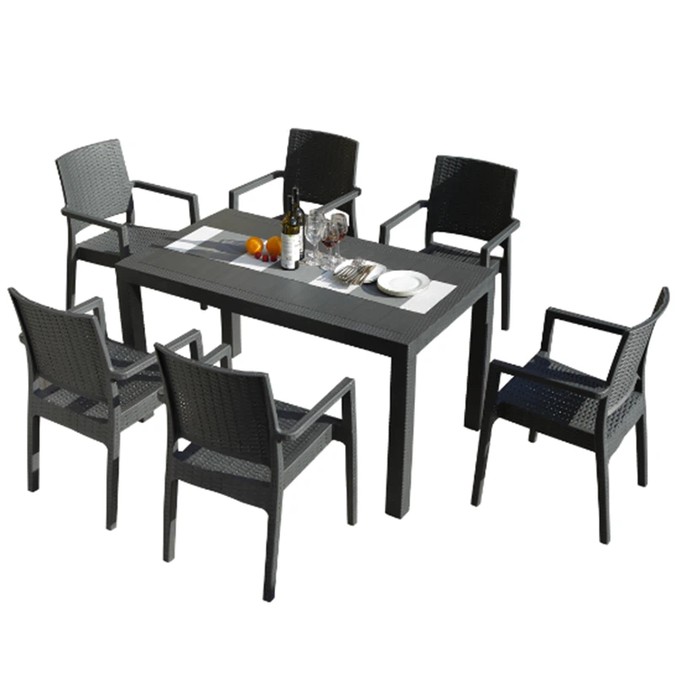
Application of Our Plastic Injection Mould
Injection moulding is a versatile manufacturing process that is widely used in various industries. Here are some common applications of injection moulding along with detailed points:

Automotive Industry
Plastic components for the interior such as dashboard, door panels, and center consoles.
Exterior parts like bumpers, grilles, and mirror housings.
Engine and transmission components such as air intakes, oil pans, and brackets.
Electrical connectors, switches, and wiring harnesses.
Packaging Industry
Bottles, containers, and caps for beverages, food, and personal care products.
Thin-walled containers for packaging items like yogurt, margarine, and ice cream.
Packaging trays and blister packs for electronics, medical devices, and pharmaceuticals.

Consumer Electronics
Mobile phone cases and accessories.
Computer and laptop components like keyboards, mouse, and bezels.
Audio/video equipment enclosures.
Connectors and cables for various devices.

Electrical and Electronics
Enclosures for electrical switches, sockets, and junction boxes.
Electronic components such as plugs, connectors, and sockets.
Housings for appliances like refrigerators, washing machines, and televisions.

Furniture and Household Goods
Chairs, tables, and other furniture items.
Storage containers and boxes.
Kitchenware like cups, plates, and cutlery.
Household appliances such as vacuum cleaners, coffee makers, and toasters.

Industrial Applications
Piping systems and fittings.
Industrial machinery components.
Tools and equipment handles.
Safety equipment like helmets, goggles, and masks.
Plastic Injection Moulding Process
The whole plastic injection moulding process begins with taking the raw plastic material in the form of granules or tiny pellets. This is then fed through a hopper and melted at high heat. When the plastic is soft enough, it is then injected under pressure into a single or multi-cavity mould to produce the desired shape or shapes. Then, the plastic parts are left to cool down enough to harden and solidify. At that stage, the injection mould is opened up and the new plastic component is released by means of moving rods, plates or an air blast, ready to be put into its intended use.
The mould itself consists of two separate parts – the injection mould that shapes the plastic entering the machine and the ejector mould that pushes the solidified product out the machine, ready for it to continue its journey along the production cycle. The moulds must be treated with the utmost care to prolong their useful life. Ideal humidity and temperatures must be maintained to ensure optimum performance and to prevent warping.
The process is quick and effective, enabling the production of large numbers of plastic components of the same shape and size to take place within shorter time periods, while still managing to ensure astonishing levels of accuracy and a high-quality finish. As with any manufacturing process, plastic injection moulding proccess doesn’t come without its issues, most of which can be corrected with the right technical know-how.
Common problems include blistering, burn marks, colour streaking, crazing and twisting, all of which affect the quality and finish of the plastic parts being produced. Thus, injection moulding machines must be routinely maintained and repaired as soon as any problems emerge, and the plastic parts closely inspected as they are being produced in order to prevent delays in the production cycle.
Such is the versatility of plastic injection moulding process that various methods can be used to generate different finishes. For example, a two-shot, or multi-shot mould combines two (or more) separate materials and incorporates them into one finished plastic part. This technique is ideal for softer finishes for items such as drawer knobs, or when a part needs to be made of more than one colour or offer different, yet complementary characteristics.
How to Identify and Solve the Problems That Lead to the Wear of Plastic Injection Mould?
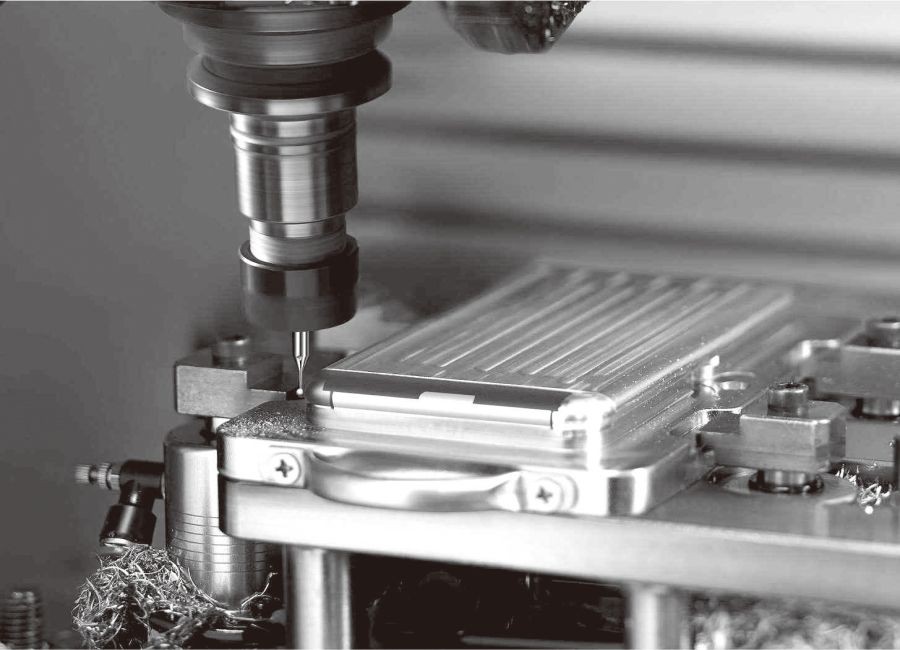
Check the mold design and production process to determine the root cause of mold wear. Common causes of die wear include improper material selection, insufficient cooling, excessive pressure, and improper maintenance.
Make a thorough inspection of the mold to identify worn and damaged areas, such as cracks, chips, or pitting. Check all parts of the mold, including the whole mold cavity surface, surface, core, and cooling channels.
Timely treatment of any wear or damage found in inspection to prevent further damage to the whole injection molding machine. Depending on the damage, repairs may include welding, polishing, or replacing the affected parts.
Ensure that the mold material is suitable for the production process and the type of plastic material used. Consider using more wear-resistant materials, such raw materials such as tool steels or ceramics.
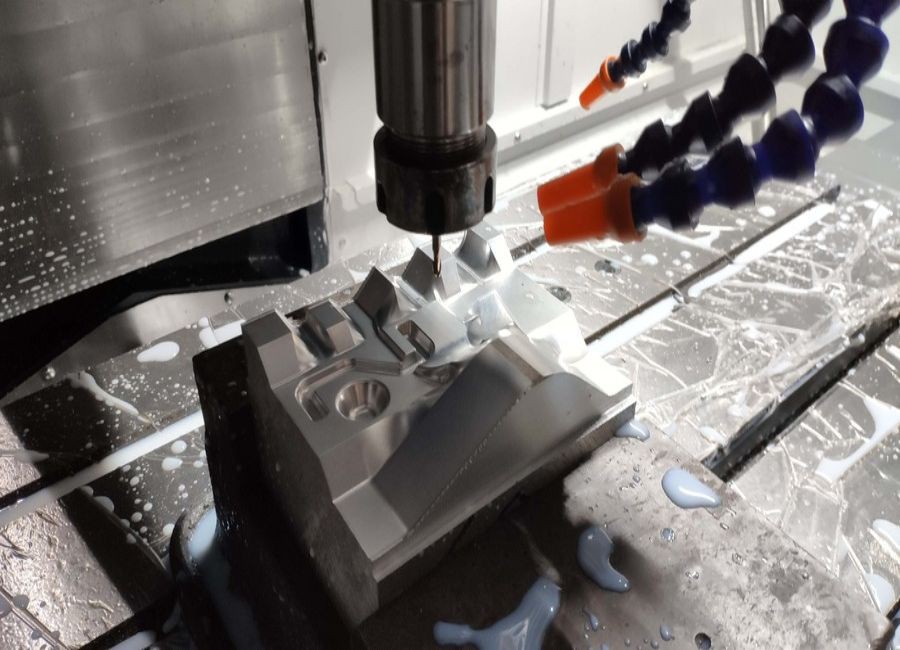
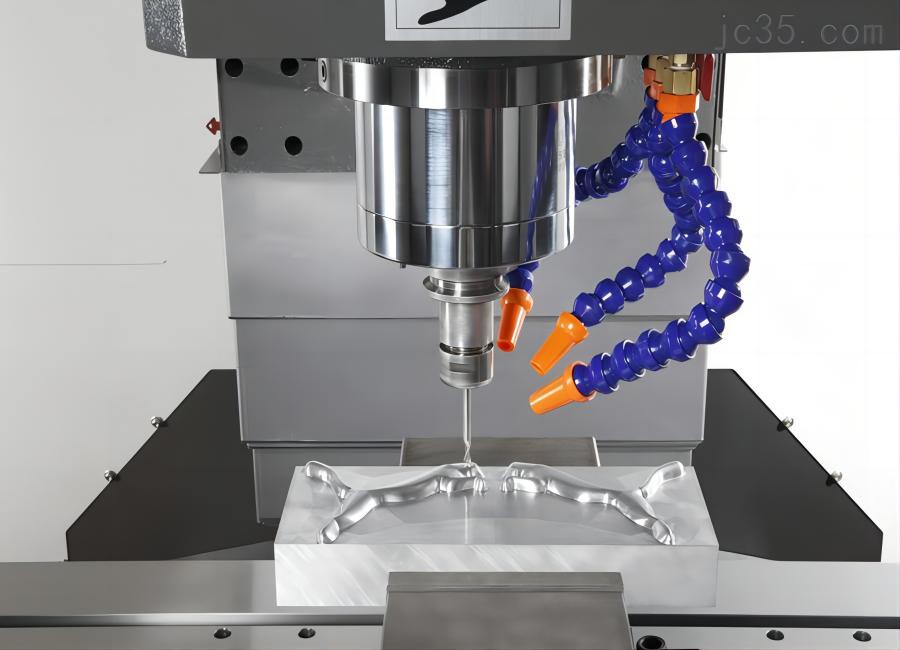
Ensure that the whole mold surface is fully cooled to prevent excessive heat and moisture accumulation, which leads to wear and damage. Consider using conformal cooling or other advanced cooling technologies to optimize mold life and cooling efficiency.
High injection pressures can cause too much pressure on the surface of the mold, leading to wear and damage. Consider lowering the injection pressure or using pressure limit controls to prevent damage.
FAQ
Q: How often to clean and lubricate plastic injection mold?
For example, it is recommended to clean and inspect the molds after every production run to remove any residue or debris that may have accumulated during the process. Lubrication should also be applied regularly to prevent wear and damage to the mold components, particularly those that undergo high friction or pressure. The frequency of lubrication can vary depending on the type of lubricant used, but it is typically recommended to apply a thin layer of lubricant before each production run or every few hours of normal operation.
Q: What is the process of casting plastic molds?
Q: What are the 4 stages of injection moulding?
Q: How do they make plastic molds?
Q: Why plastic injection molding?
Q: What is the difference between injection molding and casting plastic?
Q: How is a mould made for injection moulding?
Q: What plastic is used in injection molding?
Q: What is plastic mold design?
Q: What is the difference between injection molding and rotational molding?
Q: Who needs plastic injection molding?
Plastic molding is commonly used to create items such as lids, jars, tubes, bottles, and other forms of packaging. This is the preferred packaging manufacturing technique because it provides a wide range of plastic resins and additives.
Q: Can all plastics be injection molded?
Q: What is the difference between metal and plastic injection molding?
Q: What is the most common method of moulding plastics?
This is one of the most common methods of plastic molding, and it is the most often used method when it comes to either mass producing items or prototyping products. Plastic injection molding can be utilized to produce products and components to support a wide variety of industries.
Q: What is the best mold material for casting plastic?
Q: What is the strongest plastic for injection molding?
Q: Is PVC used for injection molding?
Q: Why do people use injection moulding?
Q: How do you add color to injection molding?
2.Masterbatching - several pigments are being mixed with resin.
3.Solvent Coloring - uncolored pellets are sprayed with a solvent.
4.Dry Pigment Mixing - dry pigment powder is mixed directly with plastic pellets.
Q: Is injection molding a CNC?