



Furniture Mould
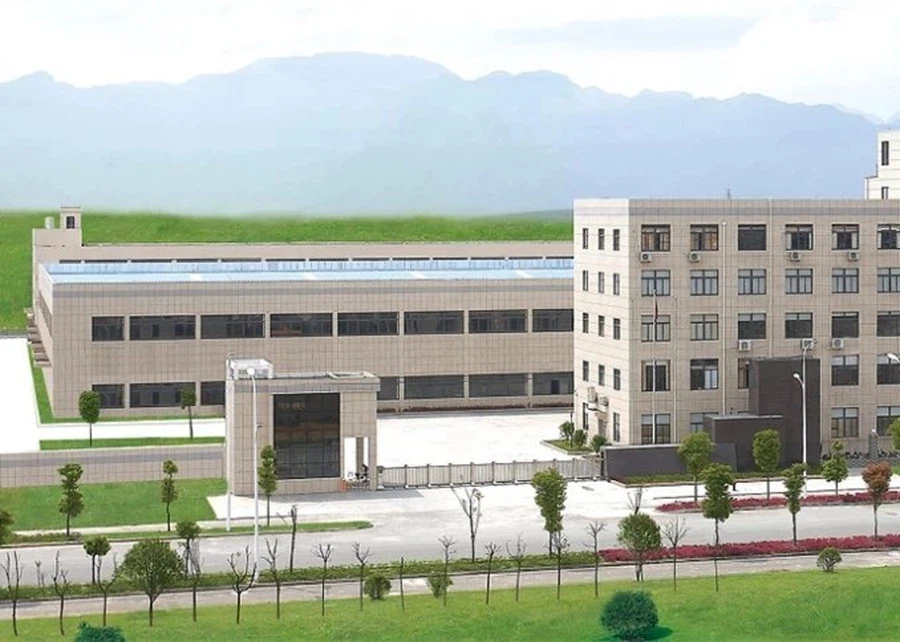
Your Leading Furniture Mould Supplier
SUNJOY PLASTIC INJECTION MOULD has established a strong supply chain for various plastic molds such as auto parts molds. We specialize in the production of household product molds, electrical appliance molds, industrial molds, pipe fitting molds, etc. We have also established a dedicated second-hand mold collection and integration team.
One-Stop Solution
We provide convenient one-stop services to help customers obtain injection molding machines and spare parts, molds and spare parts, plastic raw materials and masterbatch.
Quality Assurance
The company has advanced measuring equipments and apparatus such as CMM to let us know the quality situation of every product.
Wide Range of Cooperative Countries
We have a full understanding of the export standards, transportation conditions, and requirements of the cooperative countries.
24H Online Service
Our customer service representatives are available 24/7 to assist you with any inquiries, technical issues, or after-sales services.
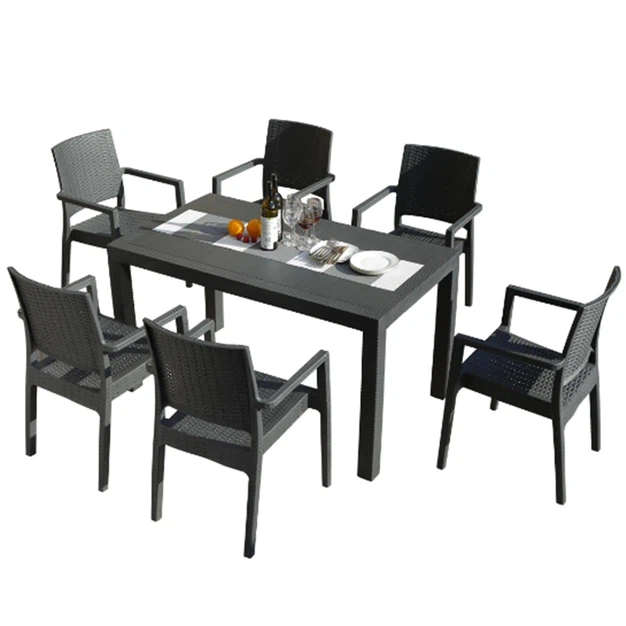
Furniture mould refers to the process of creating moulds or moulds used in the manufacturing of furniture. A mould is a hollow container, typically made of metal or plastic, into which a liquid material such as plastic, glass, or metal is poured or injected. The material then solidifies and takes the shape of the mould, allowing for the mass production of furniture components with consistent shapes and sizes.


Advantages of Furniture Mould
Can Speed Up Product Manufacturing
During the production process, Furniture injection molds can quickly convert raw materials into required products, thus greatly accelerating product manufacturing.
Features Efficient Production
Furniture injection mold technology has the characteristics of efficient production and can produce high-quality products with simple equipment, improving production efficiency and reducing costs.
Can Bring Extremely High Customization Advantages
Furniture injection mold production technology can be adjusted according to customer needs and product requirements, thereby achieving highly personalized and customized production of products.
Ability To Improve Product Quality
The design of Furniture injection molds has been continuously optimized and adjusted in practice, allowing products to achieve higher precision and quality requirements during the manufacturing process.
Realize Multi-Material Composite Production
Furniture injection molds can produce products of a variety of different materials to meet customers' higher multi-level, complex, advanced and other requirements, and adapt to the needs of diversified market development.
Automated Production Can Save Labor Costs
Furniture injection molds can realize automated production, which can reduce labor costs, improve production efficiency, and minimize production costs.
Environmentally Friendly Production Can Be Achieved
In the production process of Furniture injection molds, a variety of advanced technical means are used, including optimized design, automated production, etc., which can minimize the impact on the environment and achieve green production.
Can Improve Product Reliability And Durability
Furniture injection molds can achieve high-quality production and manufacturing of products, and improve product reliability and durability so that products can better adapt to market demand.
The process of furniture moulding typically involves several steps, including designing the mould, fabricating it using appropriate materials, preparing the mould for injection or pouring, and finally, removing the solidified piece from the mould. The moulds may be reusable or disposable, depending on the specific requirements of the manufacturing process and the desired quantity of furniture production.
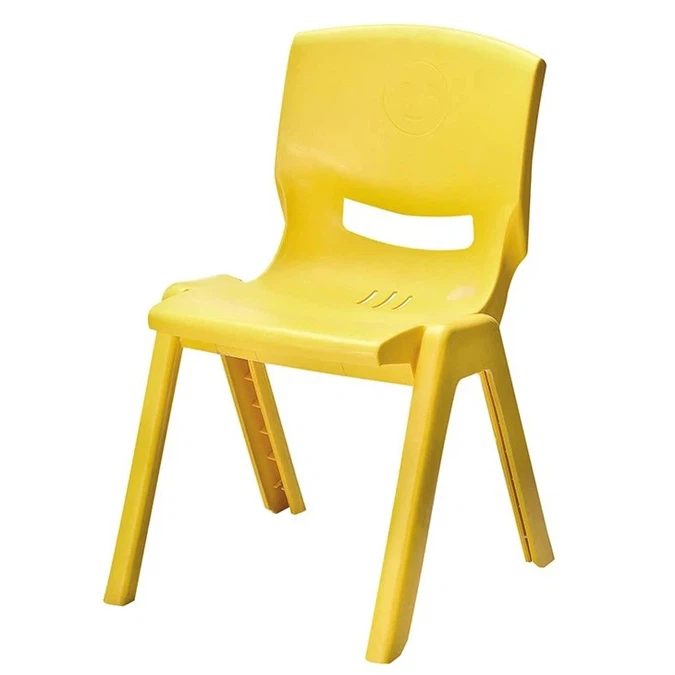
Material of Furniture Injection Mould
Tool Steel (such as P20, H13)
Tool steels are widely used in injection molding due to their excellent hardness, wear resistance, and machinability. P20 is a versatile, pre-hardened steel suitable for many applications, while H13 is a hot work steel known for its high heat resistance.
01
Stainless Steel (such as 420 and 440)
Stainless steel is chosen for molds requiring corrosion resistance and high polishing capabilities. It is often used for molds producing clear or transparent parts.
02
Aluminum
Aluminum molds are favored for their excellent thermal conductivity, allowing for faster cooling cycles. This can result in increased production efficiency.
03
Beryllium-Copper Alloy
Beryllium-copper alloys offer good thermal conductivity, high hardness, and corrosion resistance. They are suitable for molds with complex geometries and those requiring rapid heat dissipation.
04
Nickel Alloys
Nickel-based alloys, such as Inconel, are chosen for their high-temperature resistance and corrosion resistance. These alloys are suitable for mold processing high-temperature engineering plastics.
05
Components of Furniture Mould
1.Mould Base: The mould base is the foundation of the mould, and it supports all other components of the mould. It is generally made from steel or aluminium and provides the mounting surface for the mould cavity, core, ejector system, and cooling channels.
2.Mould Cavity: The mould cavity is the part of the mould that forms the external shape of the part being produced. It is usually created by machining a cavity into the mould base or by using inserts that can be removed and replaced as needed.
3.Core: The core is used to form the internal features of the part, such as holes or undercuts. It is mounted on a core plate and slides into the cavity during the injection process to form the complete shape of the part.
4.Runner System: The runner system delivers molten plastic from the machine nozzle to the mould cavity. It consists of a sprue, which is the main channel that directs plastic from the machine into the runner system; runners, which distribute plastic to each cavity; and gates, which control the flow of plastic into the cavity.
5.Ejector System: The ejector system is used to eject the finished part from the mould after it has solidified. It includes ejector pins or plates that push the part out of the mould, as well as a return mechanism that pulls the pins or plates back into position.
6.Cooling System: The cooling system helps to solidify the plastic quickly and evenly by circulating water or another cooling fluid through channels in the mould. The cooling system is essential for maintaining the dimensional accuracy and quality of the final part.
7.Venting System: The venting system allows air to escape from the mould cavity as the plastic flows in. Proper venting is critical to ensure that the plastic fills the cavity and does not trap air or leave voids in the finished part.
How We Build Plastic Injection Moulds to Support Your Furniture Business
Injection Mold Design
SUNJOY is equipped with some of the most advanced molding software in the world. This gives us the ability to create highly detailed mold designs for your plastic furniture needs. Just give us your specifications, and we will have it customized for you.
Injection Mold Engineering
We have a team of highly trained engineers that will design your plastic furniture for you. They are more than capable of meeting all of your customization needs. Just give us a confirmation of your specifications, and we will make the design for you.
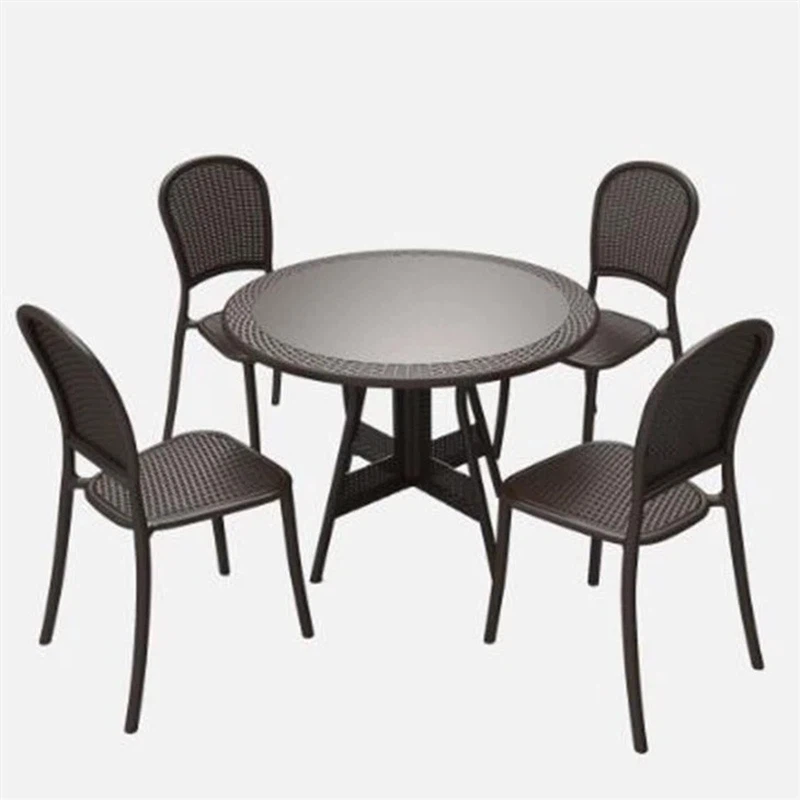
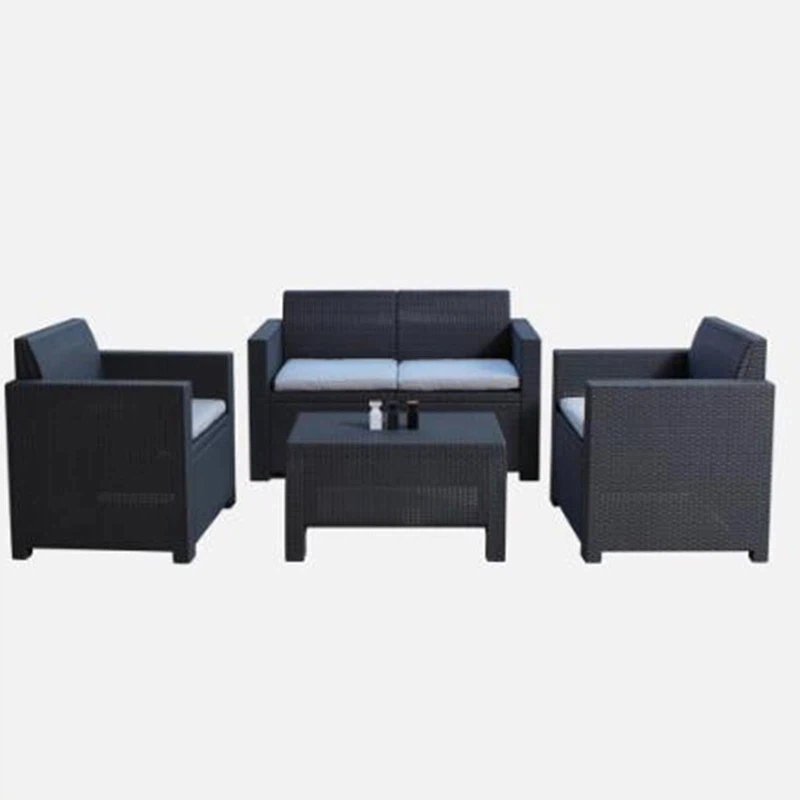
Injection Mold Machining
Once you give us a confirmation of your design, we will use our CNC machining to create a prototype for you. Our machining tools are controlled by our highly advanced computer systems. This will allow us to make prototypes that are both tough and detailed.
Injection Mold Finishing & Assembly
We utilize various plastic resins and molding technology to create very tough and detailed plastic molds. We have over a decade of plastic mold injection experience. This means we are more than capable of meeting all your plastic furniture needs.
FAQ
Q: What is moulded furniture?
Q: How do you mold plastic furniture?
Q: Are plastic chairs injection moulded?
Q: How is plastic furniture manufactured?
Q: Why is furniture made of plastic?
Q: What are the advantages of injection moulding the chair?
Q: How does a furniture mould work?
Q: What materials are commonly used for furniture moulds?
Q: What are the advantages of using furniture moulds?
Q: Are furniture moulds reusable?
Q: How are furniture moulds maintained?
Q: Can furniture moulds be repaired if they get damaged?
Q: Are there any safety considerations when using furniture moulds?
Q: Can furniture moulds be used for different types of furniture?
Q: Can furniture moulds be used for both indoor and outdoor furniture?
Q: Do furniture moulds require any special equipment for operation?
Q: What is the difference between single-cavity and multi-cavity furniture moulds?
On the other hand, multi-cavity moulds have multiple cavities, allowing for the simultaneous production of multiple furniture pieces in one moulding cycle. These moulds can have 2, 4, 8, or even more cavities, depending on the size and complexity of the furniture pieces being produced. Multi-cavity moulds are commonly used for high-volume production runs, as they can significantly increase production efficiency and reduce cycle times.
Q: Are there any limitations to the design possibilities with furniture moulds?
Q: Can furniture moulds be used for prototyping?
Q: How do you ensure the accuracy of the final product using furniture moulds?